
Warrior I Yoga Pose Guide: Practicing Virabhadrasana I Safely
The Warrior I yoga pose is a powerful posture that builds strength, stability, and focus. If you want to deepen your practice or add a dynamic standing pose to your routine, mastering Virabhadrasana I is essential. This guide will help you understand how to perform the Warrior I yoga pose safely, avoid common mistakes, and enjoy its many benefits.
What Is the Warrior I Yoga Pose?
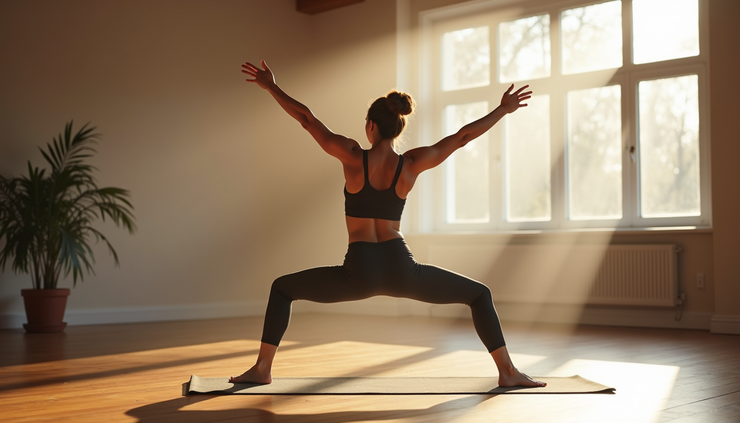
Virabhadrasana I, or Warrior I, is a foundational standing pose in many yoga styles. It involves a strong lunge with the front knee bent and the back leg extended straight behind. The arms reach overhead, and the chest opens forward. This pose symbolizes strength and courage, named after the mythical warrior Virabhadra.
The Warrior I yoga pose helps you:
Build leg and core strength
Improve balance and stability
Open the hips and chest
Enhance focus and mental endurance
Because it engages multiple muscle groups, it is important to practice the pose with proper alignment to avoid strain or injury.
Step-by-Step Guide to Performing Warrior I Safely
Follow these steps to enter and hold the Warrior I yoga pose with confidence:
Start in Mountain Pose (Tadasana)
Stand tall with feet hip-width apart, grounding evenly through both feet.
Step One Foot Back
Step your left foot back about 3 to 4 feet, keeping your feet hip-width apart for balance.
Turn the Back Foot Outward Slightly
Angle your left foot about 45 degrees outward. The front foot points straight ahead.
Bend the Front Knee
Bend your right knee so it stacks directly over your ankle. Avoid letting the knee go past the toes.
Square Your Hips Forward
Rotate your hips to face the front of your mat. This may require adjusting your back foot or shortening your stance.
Raise Your Arms Overhead
Reach your arms up with palms facing each other or touching. Keep your shoulders relaxed away from your ears.
Engage Your Core and Lengthen Your Spine
Draw your belly in slightly and lift through the crown of your head.
Hold and Breathe
Stay in the pose for 30 seconds to 1 minute, breathing deeply and steadily.
Release Safely
Lower your arms and step your back foot forward to return to Mountain Pose. Repeat on the other side.
Common Mistakes and How to Avoid Them
Even experienced yogis can fall into common pitfalls with the Warrior I yoga pose. Watch for these errors and correct them to protect your body:
Knee Extending Past Toes
This puts unnecessary pressure on the knee joint. Keep the front knee aligned over the ankle.
Hips Not Squared Forward
If your hips face sideways, you lose the pose’s benefits and risk strain. Adjust your back foot or shorten your stance to square hips.
Back Foot Too Narrow or Too Wide
Feet should be about hip-width apart. Too narrow reduces balance; too wide causes instability.
Tensing the Shoulders
Keep your shoulders relaxed and away from your ears even as you reach up.
Collapsing the Lower Back
Engage your core to support your spine and avoid overarching.
Modifications for Different Levels and Needs
The Warrior I yoga pose can be adapted to suit beginners, those with tight hips, or practitioners with limited balance:
Use a Chair or Wall for Support
Place hands on a chair back or wall to help with balance.
Shorten the Stance
Bring your feet closer together if you feel unstable or tight.
Keep Hands on Hips
Instead of reaching overhead, place hands on hips to focus on leg alignment.
Use Blocks Under Hands
If reaching overhead is uncomfortable, place blocks beside your front foot and rest your hands on them.
Bend the Back Knee Slightly
This reduces strain on the hamstrings and lower back.
Benefits of Practicing Warrior I Regularly
Incorporating the Warrior I yoga pose into your practice offers physical and mental benefits:
Strengthens Legs and Glutes
The bent front knee and extended back leg build muscle endurance.
Improves Hip Flexibility
The deep lunge opens tight hip flexors.
Enhances Balance and Stability
Holding the pose challenges your coordination.
Opens the Chest and Shoulders
Reaching overhead counteracts slouching and improves posture.
Boosts Focus and Confidence
The grounded stance and upward gaze cultivate mental clarity and courage.
Tips for Deepening Your Warrior I Practice
To get more from the Warrior I yoga pose, try these tips:
Focus on Breath
Use slow, steady breathing to maintain calm and stability.
Engage Your Core
A strong core supports your lower back and helps hold the pose longer.
Keep Your Gaze Forward or Slightly Up
This encourages balance and confidence.
Experiment with Arm Positions
Try palms together, shoulder-width apart, or clasped behind your back for variety.
Practice Transitions
Flow between Warrior I and other poses like Warrior II or Reverse Warrior to build strength and fluidity.
Safety Considerations and When to Avoid Warrior I
While Warrior I is generally safe, some conditions require caution:
Knee Injuries
Avoid deep lunges if you have knee pain. Use modifications or skip the pose.
Hip or Lower Back Issues
Work with a teacher to adjust alignment and avoid strain.
High Blood Pressure or Heart Conditions
Keep the pose gentle and avoid holding for too long.
Pregnancy
Modify the stance for comfort and balance, or consult your healthcare provider.
Always listen to your body and stop if you feel sharp pain or discomfort.


Comments