Child’s Pose Balasana - Restorative Yoga Basics and Modifications
Updated: Dec 4, 2025
You may already know Child’s Pose as a gentle resting posture in yoga, but it offers much more than just a break. Balasana, or Child’s Pose, provides a unique opportunity to reconnect with your breath, release tension, and restore your body and mind. Whether you are new to yoga or looking to deepen your practice, understanding the basics and exploring modifications of this pose can enhance your experience and support your well-being.
What Is Child’s Pose (Balasana)?
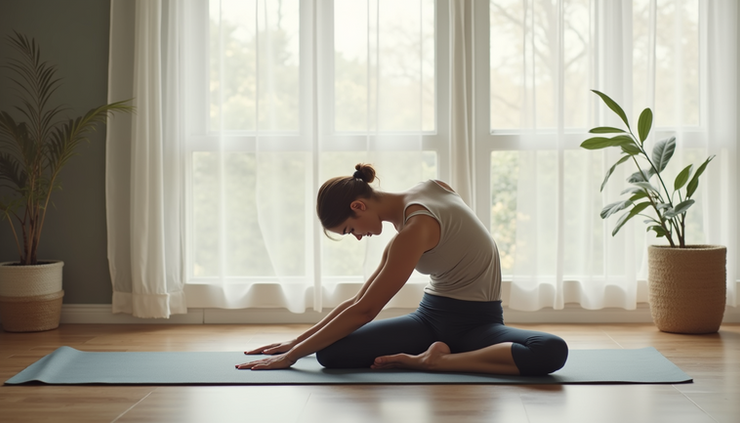
Child’s Pose is a foundational yoga posture that involves sitting back on your heels and folding forward, resting your forehead on the mat. It is often used as a resting pose during yoga sequences because it gently stretches the hips, thighs, and ankles while calming the nervous system.
Balasana is accessible to most people, making it a great option for beginners and experienced yogis alike. It encourages introspection and relaxation, helping you slow down and tune into your body’s needs.
Benefits of Practicing Child’s Pose
This pose offers several physical and mental benefits that support your overall yoga practice and daily life:
Relieves tension in the back and neck by gently stretching the spine and allowing the muscles to relax.
Opens the hips and thighs, which can reduce stiffness from sitting or standing for long periods.
Calms the mind by encouraging deep, steady breathing and a sense of grounding.
Improves circulation to the head and chest, which can help reduce fatigue and stress.
Supports digestion by gently compressing the abdomen.
Many yoga teachers recommend Child’s Pose as a go-to posture when you feel overwhelmed or need a moment to reset during practice.
How to Do Child’s Pose Correctly
To get the most from Balasana, follow these steps carefully:
Start by kneeling on your mat with your knees hip-width apart or wider if that feels more comfortable.
Sit back on your heels, allowing your big toes to touch.
Slowly fold your torso forward between your thighs.
Extend your arms forward with palms down or rest them alongside your body with palms facing up.
Rest your forehead gently on the mat. If your forehead doesn’t reach the floor comfortably, use a block or folded blanket for support.
Close your eyes and breathe deeply, focusing on lengthening your spine with each inhale and relaxing your body with each exhale.
Stay in the pose for 30 seconds to several minutes, depending on your comfort level.
Pay attention to any discomfort in your knees, hips, or back. Child’s Pose should feel restorative, not painful.
Modifications to Make Child’s Pose More Comfortable
Not everyone can fold deeply into Balasana without strain. Here are some common modifications to help you find ease in the pose:
Use a bolster or pillow between your thighs and torso for extra support if folding forward is difficult.
Place a folded blanket under your knees to cushion sensitive joints.
Widen your knees to create more space for your belly, especially helpful during pregnancy or if you have a larger abdomen.
Rest your arms alongside your body instead of reaching forward if your shoulders feel tight.
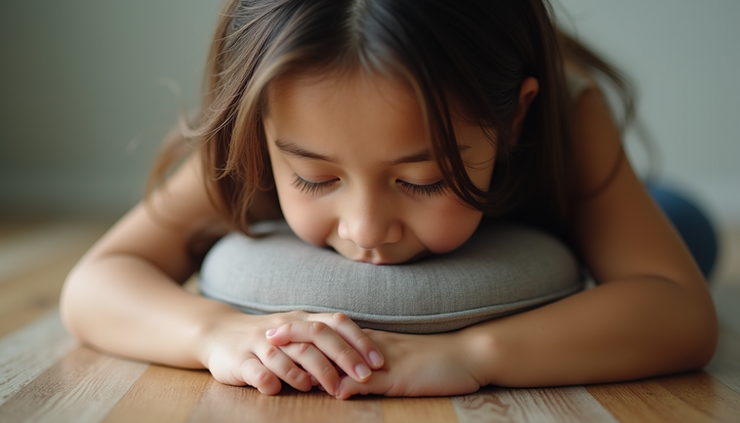
Support your forehead with a block or cushion if it doesn’t comfortably reach the floor.
These adjustments allow you to experience the calming effects of Child’s Pose without discomfort.
When to Use Child’s Pose in Your Practice
Balasana is versatile and can be included at various points in your yoga routine:
Between challenging poses to catch your breath and reset.
At the beginning of practice to center yourself and connect with your breath.
During restorative yoga sessions to promote deep relaxation.
As a gentle stretch after long periods of sitting to relieve tension in the lower back and hips.
You can also use Child’s Pose anytime you feel stressed or overwhelmed outside of formal practice. It’s a simple way to ground yourself and find calm.
Tips for Deepening Your Child’s Pose Practice
Once you feel comfortable with the basics, try these tips to deepen your experience:
Focus on your breath by inhaling slowly through your nose and exhaling fully. Imagine your breath reaching your lower back and hips.
Visualize releasing tension with each exhale, letting your body soften into the mat.
Engage your pelvic floor muscles gently to support your lower back.
Experiment with arm positions to find what feels best for your shoulders and upper back.
Use props creatively to explore different sensations and support deeper relaxation.
Remember, the goal is not to force your body but to listen and respond to its signals.
Safety Considerations
While Child’s Pose is generally safe, keep these points in mind:
Avoid if you have knee injuries or severe knee pain unless you use modifications or consult a healthcare provider.
If you have hip or ankle issues, adjust the pose or use props to reduce strain.
Pregnant practitioners should widen the knees and avoid compressing the belly.
Stop if you feel sharp pain or discomfort.
Always honor your body’s limits and consult a yoga teacher or healthcare professional if you have concerns.
Bringing Child’s Pose into Daily Life
You don’t need a yoga mat or studio to benefit from Balasana. Try this:
Take a few minutes during breaks at work to sit back on your heels and fold forward.
Use Child’s Pose as a calming ritual before bed to ease tension and prepare for sleep.
Combine it with mindful breathing to reduce anxiety or stress during busy days.
Incorporating this simple pose into your daily routine can improve your posture, reduce stress, and increase body awareness.


Comments