Downward Dog (Adho Mukha Svanasana): "Downward Dog: Adho Mukha Svanasana Tips, Benefits, Variations"
The Downward Dog, or Adho Mukha Svanasana, is one of the most recognized and practiced yoga poses worldwide. If you have ever attended a yoga class, you likely encountered this pose early on. It offers a powerful stretch and a moment to reset your body and mind. Yet, many yogis struggle to get the most from it or feel unsure about proper alignment and variations. This guide will help you deepen your practice with practical tips, explain the benefits clearly, and introduce variations to keep your routine fresh and effective.
How to Perform Downward Dog Correctly
Mastering Adho Mukha Svanasana starts with understanding the key alignment points. Follow these steps to set up the pose safely and effectively:
Start on all fours with your wrists under your shoulders and knees under your hips.
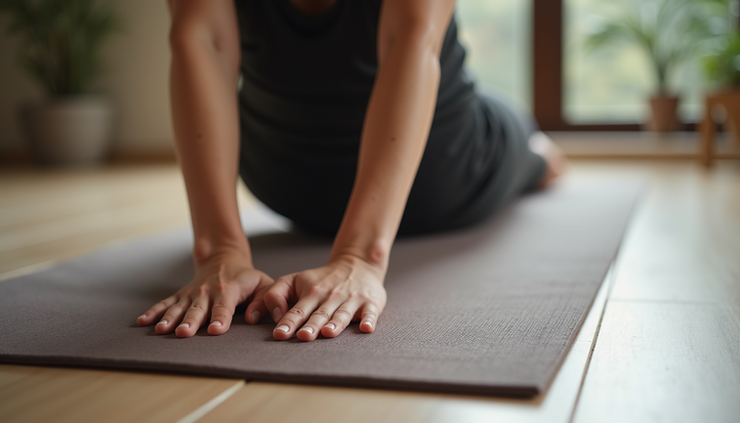
Spread your fingers wide and press firmly through your palms, especially the index finger and thumb.
Tuck your toes under and slowly lift your hips toward the ceiling, straightening your legs as much as possible.
Keep your head relaxed between your upper arms, ears aligned with your inner arms.
Engage your core to support your spine and avoid collapsing in the shoulders.
Aim to bring your heels toward the floor, but it’s okay if they don’t touch yet.
Lengthen your spine by pushing your hips back and reaching your chest toward your thighs.
If your hamstrings or calves feel tight, keep a slight bend in your knees. This adjustment helps maintain a long spine and prevents rounding your back.
Benefits of Downward Dog for Your Body and Mind
Adho Mukha Svanasana offers a wide range of benefits that support both physical health and mental clarity:
Improves flexibility in the hamstrings, calves, and shoulders.
Strengthens the arms, wrists, and legs by bearing weight and stabilizing the body.
Enhances circulation by inverting the body, which can help reduce fatigue and boost energy.
Relieves tension in the back and neck by decompressing the spine.
Calms the mind and reduces stress through mindful breathing and focus.
Supports digestion by gently compressing the abdominal organs.
Prepares the body for more advanced poses by building strength and flexibility.
Many yogis find that practicing Downward Dog regularly helps them feel more grounded and balanced throughout the day.
Common Mistakes to Avoid
Even experienced practitioners can fall into common pitfalls that reduce the effectiveness of Downward Dog or cause discomfort:
Collapsing the shoulders instead of actively pressing away from the floor.
Locking the knees which can strain the joints and reduce hamstring stretch.
Letting the head hang loosely without engaging the neck muscles.
Not distributing weight evenly between hands and feet, causing wrist pain.
Raising the heels too high or forcing them down, which can cause tension in the calves.
Focus on maintaining a steady breath and listening to your body’s limits. Use props like yoga blocks or a folded blanket under your hands if you need extra support.
Variations to Explore in Your Practice
Once you feel comfortable with the basic Downward Dog, try these variations to target different muscle groups or add challenge:
Three-Legged Downward Dog: Lift one leg high behind you, keeping hips square. This variation strengthens the standing leg and opens the hips.
Dolphin Pose: Lower your forearms to the floor while keeping hips lifted. This variation builds shoulder strength and prepares you for arm balances.
Bent Knee Downward Dog: Keep knees bent deeply to focus on lengthening the spine and relieving tight hamstrings.
Downward Dog Twist: Reach one hand to the opposite ankle or shin, twisting the torso gently to open the shoulders and spine.
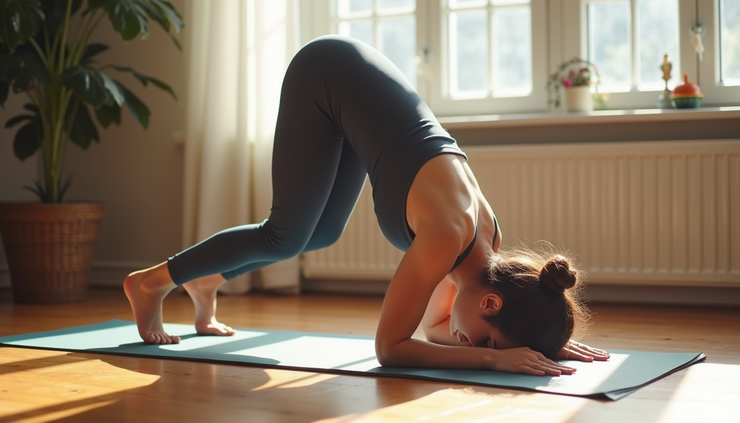
Puppy Pose Transition: From Downward Dog, lower your chest toward the floor while keeping hips high. This variation stretches the spine and shoulders differently.
Try incorporating these variations into your routine to keep your practice engaging and balanced.
Tips for Integrating Downward Dog into Your Daily Routine
You can practice Adho Mukha Svanasana anytime, anywhere. Here are some ideas to make it part of your daily life:
Use it as a warm-up or cool-down pose during your yoga sessions.
Take short breaks during work to stretch and relieve tension.
Combine it with sun salutations for a full-body flow.
Practice it mindfully in the morning to energize or in the evening to relax.
Use it as a resting pose between more challenging asanas.
Remember, consistency matters more than duration. Even a few breaths in Downward Dog can reset your posture and calm your mind.


Comments